Introduction
Plastic is one of the most widely used raw materials in Pakistan. From food and beverage packaging in Karachi, to automotive parts in Lahore, to textile fibers in Faisalabad, the role of plastic in our economy is undeniable.
But there’s one challenge that every manufacturer faces: price fluctuations of plastic raw materials. These changes impact not only manufacturers, but also distributors, retailers, and eventually, the end consumer.
In this article, we’ll break down:
- Why plastic raw material prices fluctuate in Pakistan
- How it affects manufacturing businesses
- Strategies to manage price risks effectively
Why Do Plastic Raw Material Prices Fluctuate in Pakistan?
Several factors drive the volatility of plastic dana prices in the local market:
1. Global Oil Prices
Plastics are derived from petrochemicals. When global oil prices rise, polymer production costs also increase. For example:
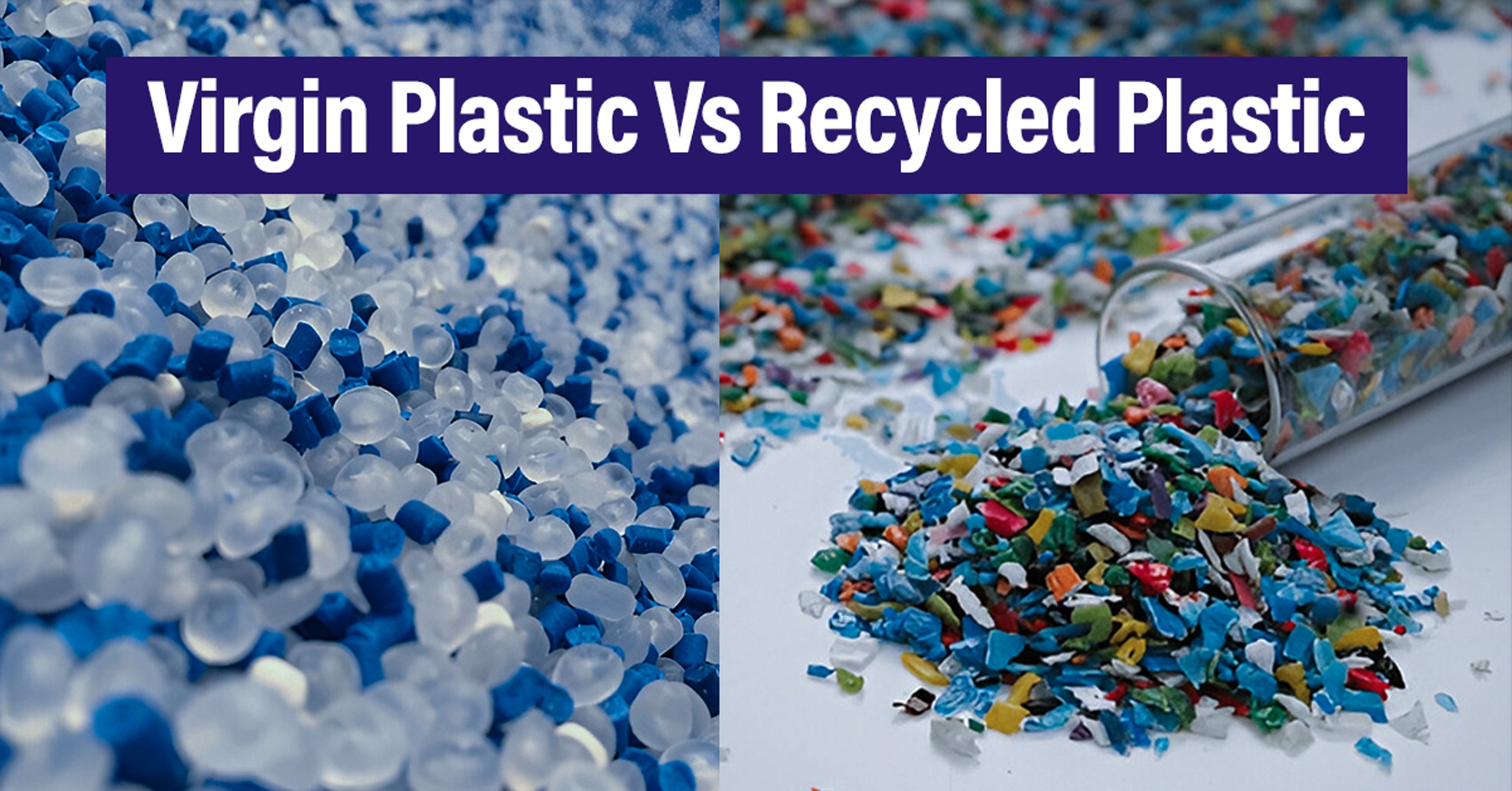
- A sudden spike in crude oil raises prices of virgin resins like PP, PE, PET, and PVC.
- In Pakistan, since most virgin polymers are imported, manufacturers directly feel this impact.
2. Import Tariffs and Government Policies
- Duties, sales tax, and regulatory changes by the Federal Board of Revenue (FBR) can make raw materials more expensive.
- Import restrictions or changes in customs duty also add uncertainty.
3. Currency Exchange Rates
- The PKR to USD exchange rate is a major factor. Even if global prices remain stable, a weaker rupee makes imports costlier.
- In 2023–2024, for example, fluctuations in PKR/USD caused significant increases in polymer costs despite no global shortages.
4. Supply and Demand Dynamics
- During seasonal peaks (like summer when PET demand rises due to bottled drinks), prices naturally increase.
- Shortages caused by shipping delays or port issues also create sudden hikes.
5. Geopolitical and Logistics Issues
- International shipping costs, container shortages, or conflicts affecting trade routes can add hidden costs.
- Pakistani importers often deal with unpredictable freight rates, adding to price instability.
Impact of Price Fluctuations on Manufacturing
1. Higher Cost of Production
When raw material prices increase, the cost per unit rises significantly. For example, if virgin PET resin price goes up by 20%, beverage companies in Karachi face reduced margins unless they raise product prices.
2. Reduced Profit Margins
Manufacturers who work on tight margins (plastic household goods, injection molding shops) struggle the most. They cannot always pass on the extra cost to customers.
3. Uncertainty in Planning
Volatile prices make it difficult to commit to long-term contracts. Many Pakistani manufacturers are forced into short-term planning, which limits growth.
4. Shift to Recycled Plastics
To manage costs, many industries shift partially or fully to recycled plastic granules. For example:
- Furniture and household goods producers in Gujranwala often switch to recycled PP or HDPE when virgin prices are too high.
- This helps maintain affordability for consumers but may compromise on product life.
5. Impact on Exports
For exporters, fluctuating input costs make it harder to compete globally. Buyers demand stable pricing, but Pakistani producers often struggle due to raw material volatility.

Case Examples from Pakistan
- Packaging Industry: Rising PET prices in 2023 forced small beverage bottlers in Karachi to reduce bottle sizes instead of raising prices.
- Automotive Industry: Parts suppliers in Lahore reported delays in production when PP and ABS prices increased sharply.
- Textile Sector: Polyester fiber manufacturers in Faisalabad had to renegotiate contracts due to global PET resin hikes.
Strategies to Manage Price Risks
1. Build Long-Term Supplier Relationships
Trusted suppliers (like HR Traders) often provide more stable pricing and better credit terms compared to spot buying.
2. Diversify Material Sources
Relying only on virgin imports is risky. By adding recycled granules or custom compounds into production, manufacturers reduce dependency.
3. Monitor Market Trends
Staying updated on global oil, currency, and local market reports helps businesses plan inventory purchases at the right time.
4. Use Recycled Granules Where Possible
Switching to recycled materials for non-critical applications (like furniture, non-food packaging) can cut costs by 30–40%.
5. Efficient Inventory Management
Bulk buying during stable periods and maintaining stock can reduce exposure to sudden price hikes.
Conclusion
Plastic price fluctuations are now a permanent reality for Pakistan’s industries. Rising oil prices, currency instability, and global trade issues all contribute to unpredictable markets.
But with smart planning, supplier partnerships, and a balanced use of virgin and recycled raw materials, businesses can minimize risks and remain competitive.
At HR Traders, we help companies navigate these challenges by offering:
- Competitive pricing on virgin resins
- Eco-friendly recycled granules to cut costs
- Custom compounds tailored to client needs
- Nationwide delivery from Lahore to all major industrial hubs
Contact HR Traders today to discuss bulk supply, get updated pricing, or request a quotation.