Introduction
Plastics have become an essential part of modern life in Pakistan. From food packaging in Karachi to auto parts in Lahore and textile fibers in Faisalabad, plastic touches almost every industry. But with increasing concerns over environmental pollution, recycling, and sustainability, businesses in 2025 cannot ignore the need for eco-friendly plastic solutions.
In this blog, we’ll explore how the Pakistani plastics industry is moving towards sustainability, what solutions are available, and why companies that adapt now will have a competitive edge in the years ahead.
Why Sustainability Matters in 2025
1. Growing Environmental Awareness
- Pakistan generates thousands of tons of plastic waste daily, much of which ends up in landfills or rivers.
- Consumers are becoming more aware of eco-friendly brands and prefer companies that adopt sustainable practices.
2. Regulatory Pressure
- Global export markets are tightening rules around packaging and plastic use.
- Pakistani manufacturers supplying Europe or the Gulf must adapt to meet eco-compliance standards.
3. Rising Raw Material Costs
- Virgin plastic prices fluctuate with oil and currency exchange.
- Recycled granules and alternative solutions provide a way to reduce dependency on imports and control costs.
Sustainable Plastic Options Available in Pakistan
1. Recycled Plastic Granules
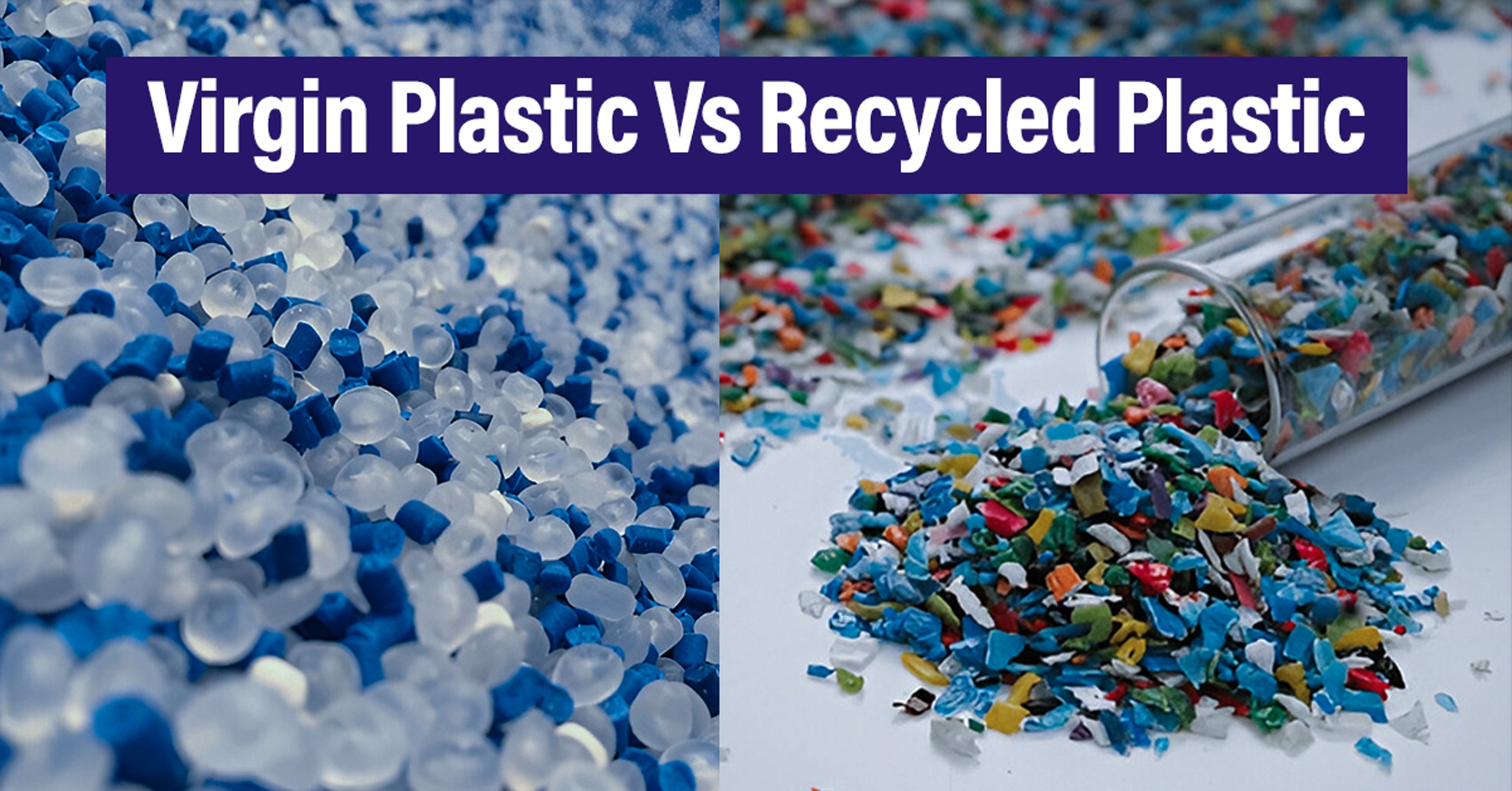
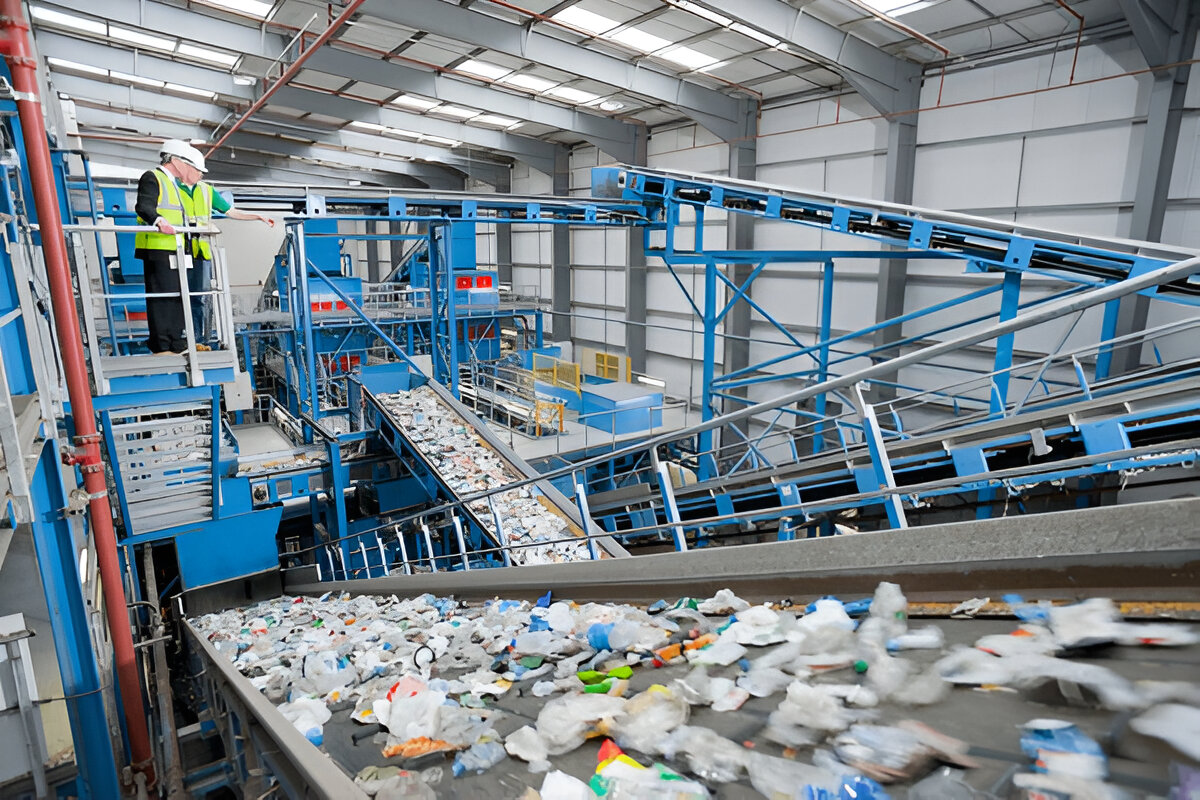
Recycled plastics are the backbone of sustainable manufacturing in Pakistan. With modern recycling technology, high-quality granules are now available that perform reliably in many applications.
Uses: Household goods, pipes, crates, furniture, non-food packaging.
Benefits: Cost-effective (30–40% cheaper than virgin), reduces waste, supports local recycling economy.
2. Biodegradable & Oxo-Degradable Additives
Manufacturers can mix special additives into plastic compounds to make them degrade faster in the environment.
- Biodegradable additives break down naturally with microbes.
- Oxo-degradable additives help plastics fragment under UV light and oxygen exposure.
Uses: Shopping bags, agricultural films, disposable packaging.
3. Eco-Friendly Masterbatches
Traditional pigments often reduce recyclability. Today, masterbatches are available with eco-friendly pigments and stabilizers.
- They ensure vibrant colors without harmful heavy metals.
- Support recyclability by being compatible with multiple resins.
Uses: Packaging, toys, consumer products.
4. Customized Plastic Compounds with Green Additives
Customized compounds can be tailored with UV stabilizers, flame retardants, and biodegradable agents.
- They help products last longer in use but break down faster after disposal.
Uses: Automotive parts, outdoor furniture, agricultural tools.
5. Circular Economy Practices
Some industries in Pakistan are adopting the circular economy model, where production waste is recycled back into the supply chain. This reduces dependency on imports and keeps costs manageable.
Case Studies from Pakistan
- Packaging in Karachi: Local manufacturers have started mixing recycled granules into non-food packaging to reduce costs and promote eco-friendly branding.
- Furniture in Gujranwala: Plastic chair and table makers use recycled HDPE to keep products affordable and sustainable.
- Agriculture in Multan: Farmers are shifting to oxo-degradable films for crop covering to reduce waste and soil damage.
Benefits of Sustainable Plastics for Pakistani Businesses
- Cost Reduction: Recycled granules reduce material costs significantly.
- Market Advantage: Eco-conscious consumers prefer brands that adopt green practices.
- Regulatory Compliance: Easier access to export markets that demand eco-friendly materials.
- Environmental Responsibility: Helps reduce Pakistan’s growing plastic pollution crisis.
- Innovation Edge: Companies using sustainable solutions are viewed as industry leaders.
Challenges in Adoption
- Lack of Awareness: Many SMEs don’t know sustainable options exist.
- Quality Concerns: Some recycled plastics in the market are inconsistent.
- Initial Investment: Switching to custom eco-compounds or additives may need setup changes.
But with trusted suppliers like HR Traders, these challenges can be overcome through quality control, technical guidance, and consistent supply.
The Road Ahead — Sustainability Beyond 2025
By 2030, Pakistan is expected to see stricter rules on plastic waste management. Businesses that start shifting today will:
- Secure export opportunities in Europe, the Middle East, and Asia.
- Enjoy brand loyalty from eco-conscious consumers.
- Lower their dependence on expensive virgin imports.
Conclusion
The future of plastics in Pakistan lies in sustainability. Virgin resins will remain important, but recycled granules, biodegradable additives, and eco-friendly compounds are no longer optional they are becoming industry standards.
At HR Traders, we are committed to supporting businesses with:
- High-quality recycled plastic granules
- Eco-friendly masterbatches
- Customized compounds with green additives
- Expert advice on choosing the right sustainable solution
Let’s build a sustainable future together.